
Creating Space for Who You’re Becoming
A Conversation on Decluttering, Mental Clarity & Intentional Living
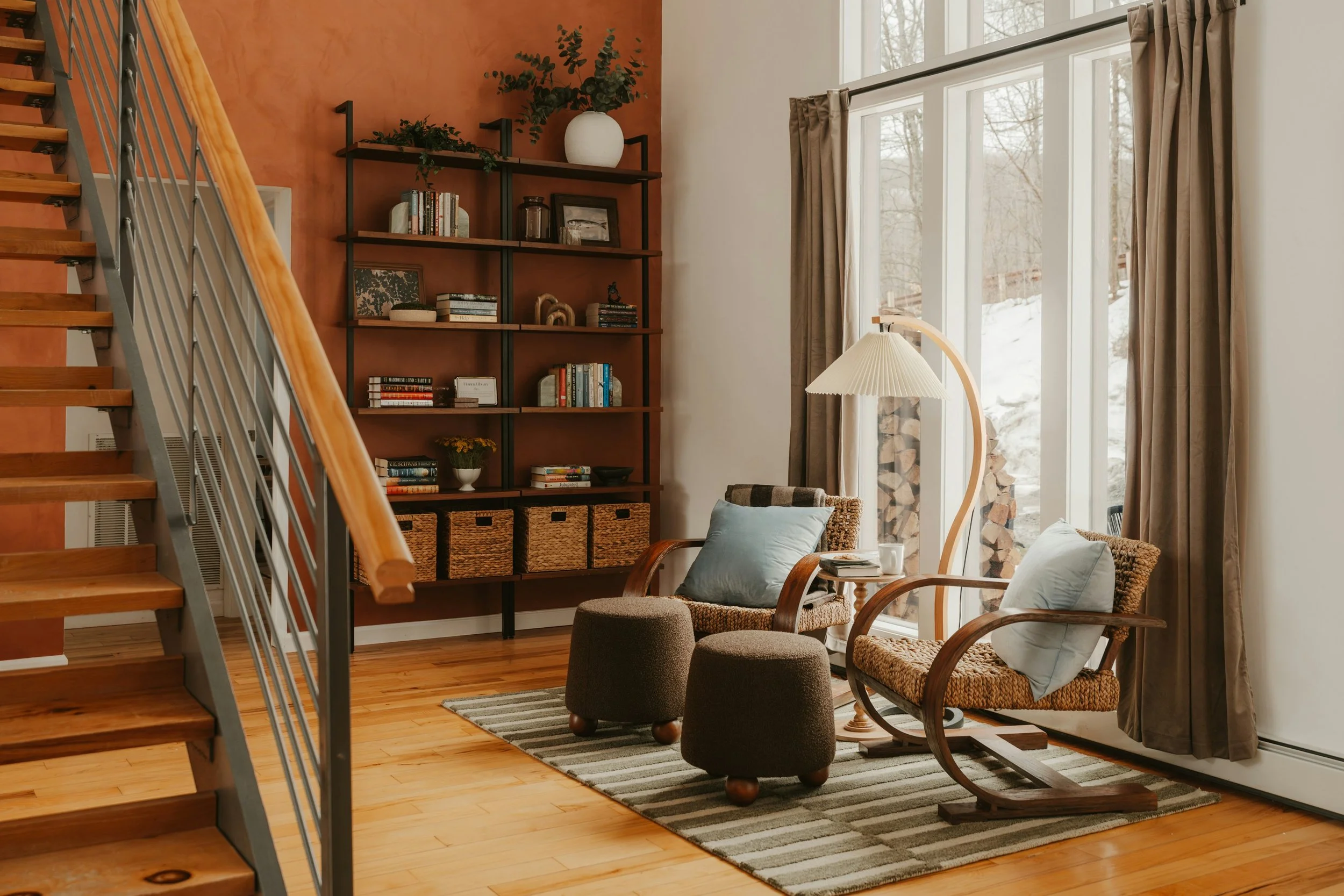
In conversation with Marine André, a professional organiser specialising in intentional living and home clarity, working with clients across the UK & Internationally.
The Quiet Power of Decluttering: Creating Space for Clarity, Routine, and Renewal
There’s a common misconception that decluttering is purely visual, a question of tidiness, storage, or aesthetics. But in reality, it runs far deeper.
In conversation with a professional organiser, Marine André, what emerged wasn’t just a method, but a philosophy: one rooted in clarity, control, and emotional wellbeing.
On Clarity Beyond What We See
A cluttered space does more than overwhelm the eye; it interrupts the mind.
As she explains, “A cluttered environment can lead to cognitive overload. Your emotions don’t flow freely, and it begins to affect everything from productivity to your ability to properly rest.”
Over time, clutter becomes more than physical. It turns into a quiet, persistent reminder of what hasn’t been addressed, drawing your attention away from what truly matters.
Creating order, then, isn’t just about tidying. It’s about restoring focus.

Designing Homes That Support Daily Life
The most functional homes are not necessarily the most minimal; they are the most intentional.
Many people, she notes, follow the same daily routines but struggle within their own spaces. Every day, items are buried, decisions are delayed, and even simple rituals become unnecessarily complex.
“You end up searching, deciding, rethinking all before your day has even properly started.”
The same applies to wardrobes. A full rail doesn’t guarantee ease, especially when it’s filled with pieces that no longer resonate.
The shift is simple, but powerful: keep only what supports your life now, and give it a place that makes sense.
Why Life Changes Trigger the Need to Reset
Moments of transition, whether personal, professional, or emotional, often bring an unexpected urge to declutter.
Not by coincidence.
“When life feels out of control, your space becomes somewhere you can regain it.”
Decluttering, in this sense, becomes less about organisation and more about agency, a way to physically realign your environment with where you are, and where you’re going.
The Process More Than Just Tidying
The journey itself is intentional.
It begins with understanding a discovery call, a walkthrough, and a conversation about what isn’t working.
From there, the focus shifts. Not on what needs to go, but on what deserves to stay.
Using the KonMari method, the process unfolds in layers, starting with the easiest categories and gradually moving towards the most emotionally complex.
“It’s not just about removing things,” Marine says. “It’s about creating space for what matters.”
Maintaining the Shift
Perhaps surprisingly, the goal isn’t dependency.
“Clients don’t need me once we’re done, and that’s the point.”
Through testing, adjusting, and refining systems during the process, clients leave with something far more valuable than a tidy home; they leave with the ability to maintain it.
And when life shifts again, the door is always open.
Rethinking Space in the Era of Hybrid Living
With the rise of remote and hybrid work, the boundaries within our homes have blurred.
Spaces once reserved for rest now carry the weight of productivity.
The solution isn’t necessarily more space, but a clearer definition.
Creating zones, even within a single room, allows for separation. A place to work, and importantly, a way to step away from it.
“Without that boundary, work follows you everywhere.”
Letting Go Of The Emotional Layer
Decluttering becomes most challenging when memory is involved.
Objects tied to identity, to past versions of ourselves, or to imagined futures.
Which is why she emphasises, you don’t start there.
Instead, you build the skill of decision-making first, understanding what supports your life today.
“People struggle because they haven’t defined what they’re making space for.”
When that vision becomes clear, the process shifts.
Items are no longer judged by their past significance, but by their place in your future.

A Final Thought
Let go of the past. Don’t fear the future. Focus on today.
Because ultimately, a well-designed home isn’t just one that looks good; it allows you to live well within it.
If you’re navigating a transition or simply want your home to better support your daily life, you can explore Marine André's services here.