
Inside Luxury Living: The Details Most People Never Notice
As a designer, whenever I walk through a home, I find myself thinking about the relationships we build with the spaces we live in. The emotional connection we feel to a home is rarely accidental; it is shaped by memory, culture, and lived experience.
For example, visiting my grandmother’s house carries a very different feeling from stepping into my mother’s home. Each space holds its own rhythm and version of comfort. Through my work, I’ve been fortunate to step inside homes across a wide range of lifestyles, and what this has taught me is that home is never just about design; it is deeply personal and deeply cultural.
Spending time inside carefully curated homes has given me a unique perspective on how living environments are created and experienced. While craftsmanship and materials play an important role, what consistently stands out is intention. Certain quiet design principles appear repeatedly in details that shape how a home feels and supports everyday life.
These are five observations that continue to influence how I understand exceptional residential design.
Design That Anticipates Real Life
One of the most striking qualities of thoughtfully designed homes is how effortlessly everything appears to function. Behind that ease is highly considered design thinking.
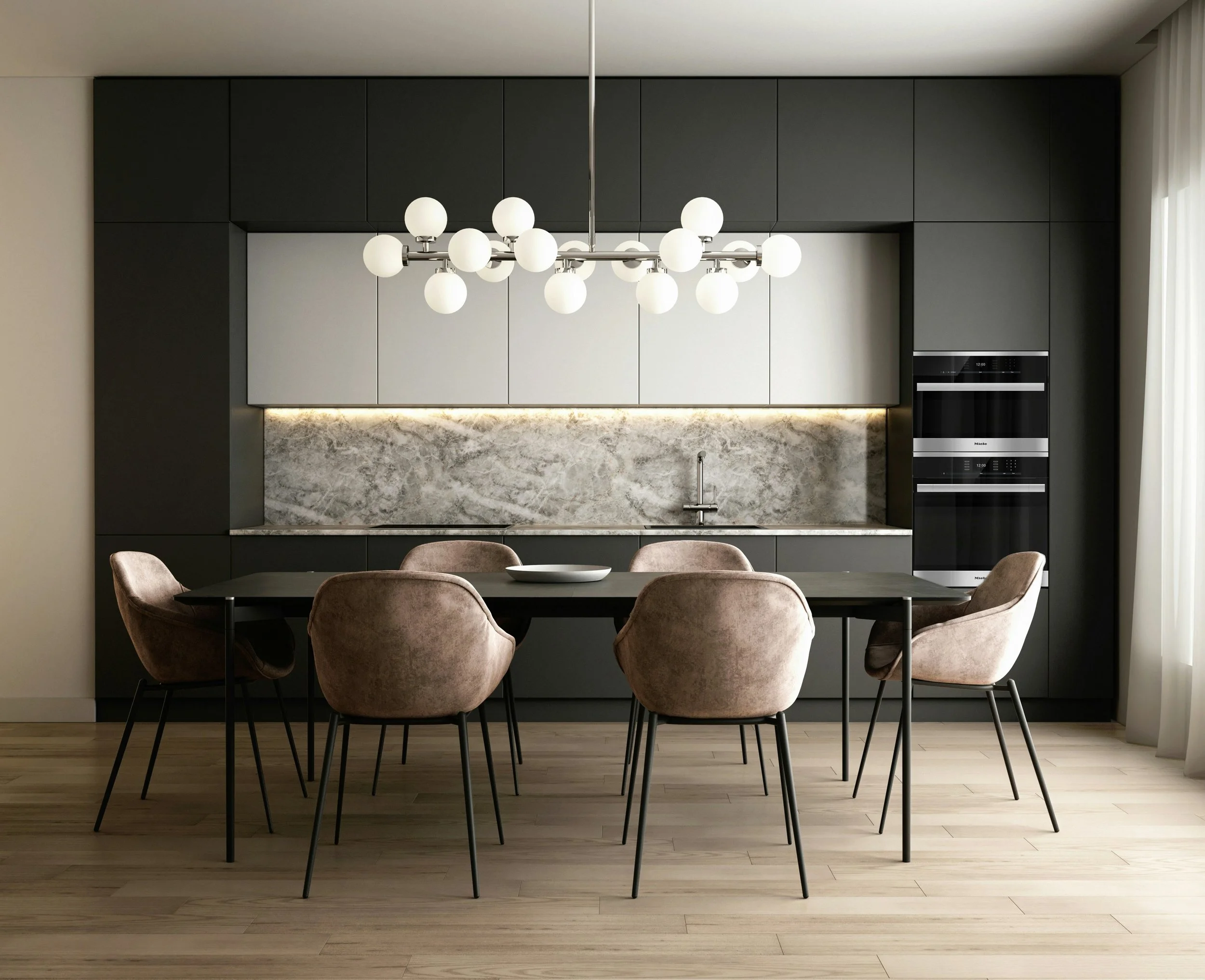
Joinery details often form the backbone of this experience. Seamless cabinetry alignment, concealed storage, and integrated functionality reduce visual clutter and create calm environments. Hardware is another understated but powerful design element. Door handles, sockets, switches, and ironmongery form a subtle thread that runs throughout the home, reinforcing cohesion when thoughtfully selected.
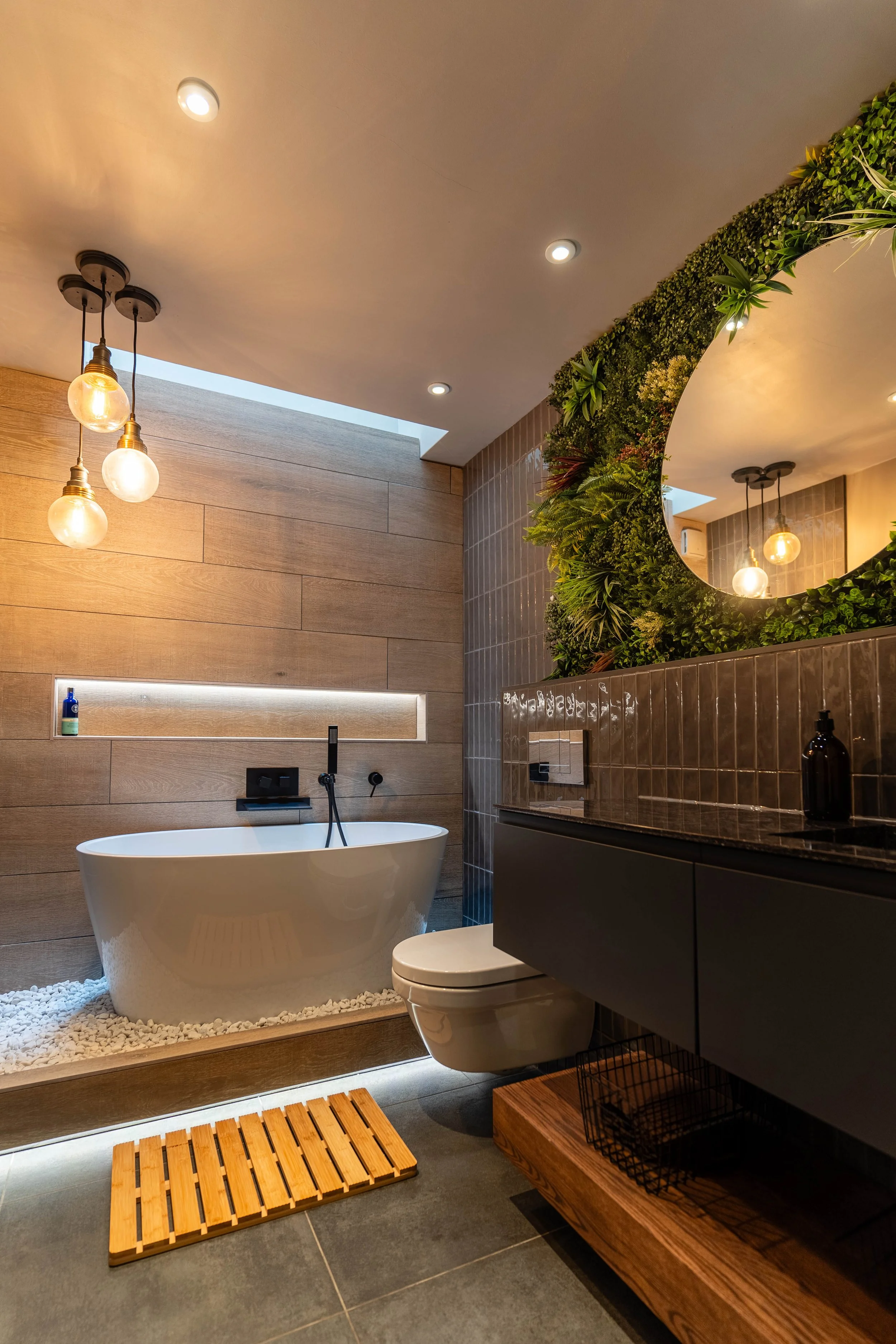
Lighting is one of the most transformative layers within residential design. Rather than relying on a single overhead source, lighting is layered to support different moods and uses throughout the day. Under-cabinet lighting, feature wall lights, decorative pendants, and natural light sources such as skylights all work together to create adaptable and emotionally responsive environments.
Brands such as CTO Lighting demonstrate how sculptural lighting can function as both atmosphere and design statement, shaping how a space is experienced beyond simple illumination.
Material transitions are equally important. A polished marble kitchen surface may transition into warm engineered timber flooring in adjoining spaces, creating continuity rather than visual interruption. These transitions help spaces feel connected and intentional.
It is also fascinating to observe how design reflects different cultural approaches to living. Many Western homes prioritise privacy and zoning, while diaspora households often centre around gathering, hospitality, and multi-generational living. These subtle differences reveal how interior design quietly reflects lifestyle and identity.
You can explore more reflections on emotional storytelling within interiors here:
Homes That Expand Beyond Their Walls
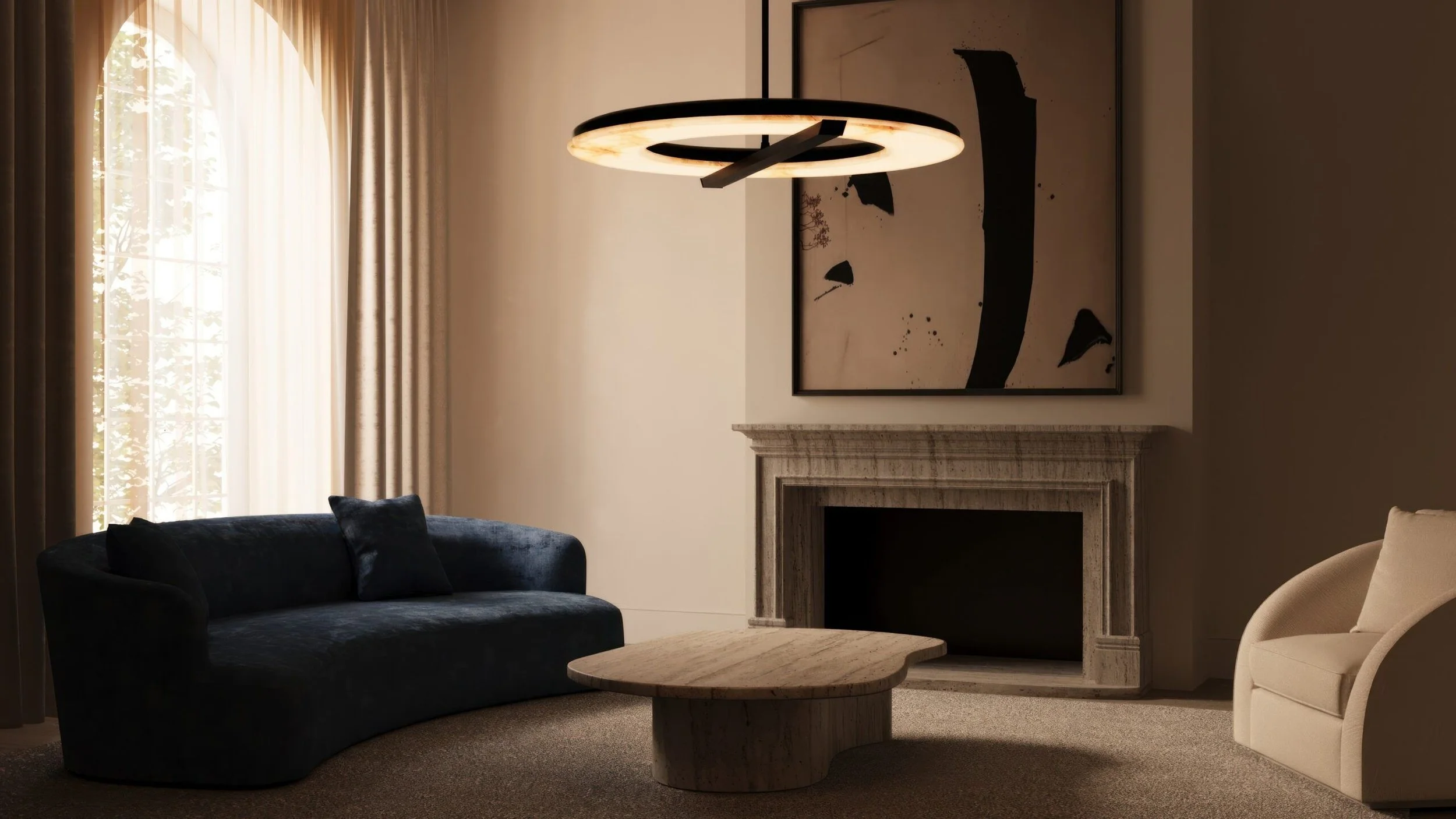
Outdoor spaces in exceptional homes rarely feel separate from the interior. Instead, they are treated as natural extensions of the living environment.
Creating strong sightlines from the entrance through to outdoor areas is one of the most effective design strategies. This visual continuity creates a sense of openness from the moment you step inside. Matching flooring thresholds and consistent material palettes further blur the boundary between indoors and outdoors, allowing the home to feel fluid and expansive.
These choices also support lifestyle functionality. Seamless indoor-outdoor flow encourages relaxed entertaining, whether hosting intimate family gatherings or larger social occasions. Natural light plays a central role, with expansive windows, sliding glass doors, and skylights strengthening the connection between architecture and nature.
Indoor-outdoor living has long been embedded in many African and Caribbean environments, where cooking, dining, and socialising naturally extend beyond enclosed spaces. In cooler climates, this connection is often intentionally recreated through design. Observing these variations highlights how climate, culture, and lifestyle shape the homes we create.
Bathrooms as Ritual Spaces, Not Functional Rooms
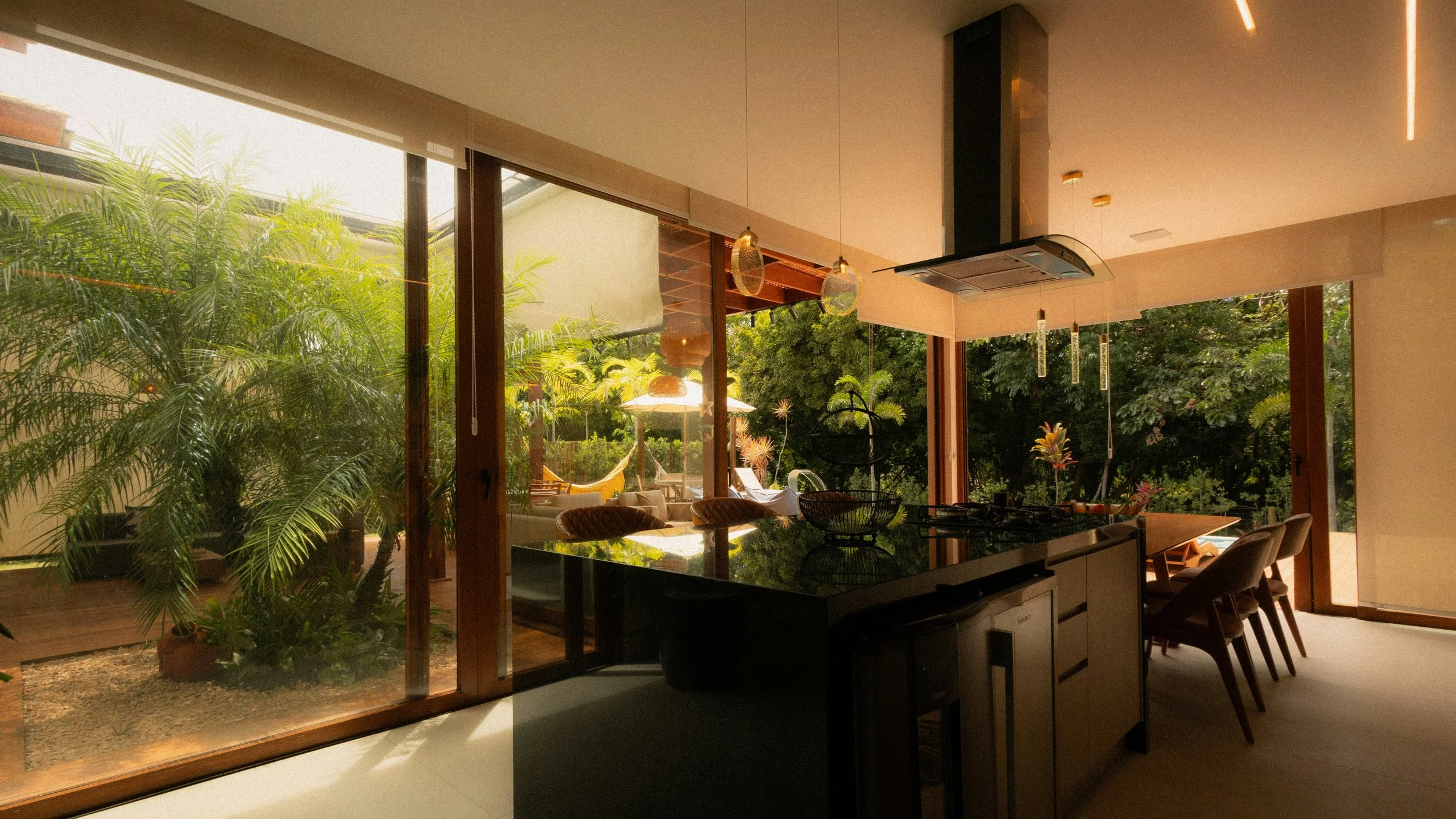
Bathrooms within carefully designed homes often move beyond practicality and instead become spaces centred around restoration, ritual, and sensory comfort.
These spaces frequently incorporate layered sensory design. Acoustic considerations soften harsh echoes, while tactile materials such as natural stone, textured tiles, and warm timber finishes introduce softness and depth. Layouts are carefully planned to encourage slower, more mindful routines, from freestanding bathtubs positioned near natural light to walk-in showers designed to feel immersive rather than purely functional.
Discreet storage is another consistent feature. Clutter is carefully concealed, allowing surfaces to remain visually calm and restorative. This creates an atmosphere where daily routines feel intentional rather than rushed.
Wellness-focused design continues to shape modern residential environments, with increasing emphasis on how interiors support relaxation, mental clarity, and sensory balance.
Technology That Supports, Not Dominates The Home
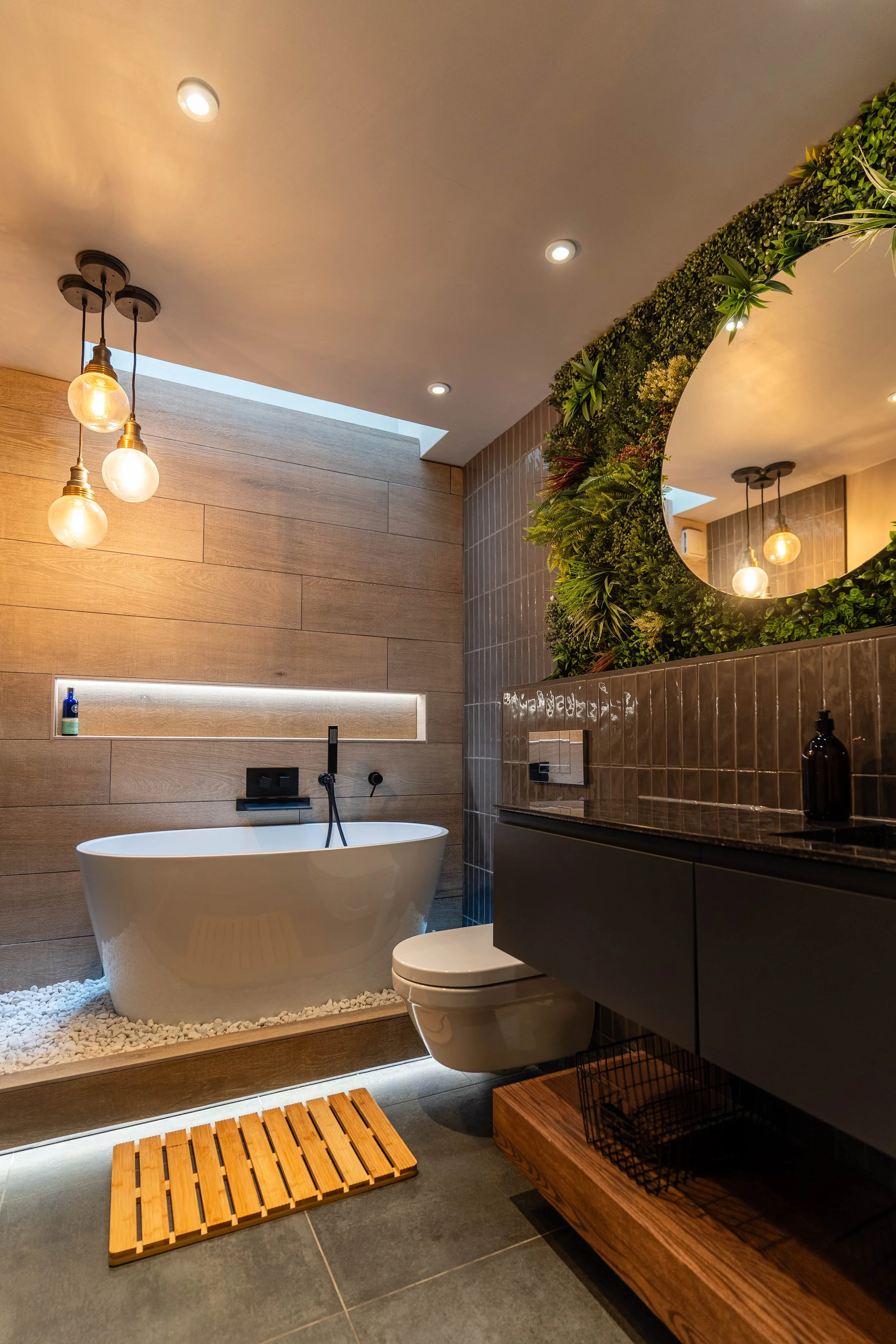
Technology plays an important role in contemporary homes, but the most successful integrations are rarely visible. The goal is not to showcase technology, but to allow it to support daily living seamlessly.
Integrated systems now allow lighting, climate, security, and entertainment to adapt to individual routines. Lighting scenes can shift naturally from morning brightness to evening ambience, while climate systems respond to occupancy patterns to maintain consistent comfort.
Security integration also supports homeowners who travel frequently or live internationally, allowing them to remain connected to their homes regardless of location. Many modern homes incorporate discreet automation platforms such as Control4, allowing technology to operate quietly in the background while maintaining strong design integrity.
Technology increasingly reflects global lifestyles, where homeowners often move between countries or manage multiple residences. Within these environments, technology becomes less about convenience alone and more about continuity and peace of mind across different locations.
Spending time inside thoughtfully designed homes has reshaped my understanding of what defines exceptional living environments. While craftsmanship and material quality remain important, the most memorable homes are those shaped by intention and emotional intelligence.
The most successful homes feel intuitive, calm, and quietly supportive of the people living inside them. They reflect personal values, cultural influences, and lifestyle rhythms rather than trends alone.
Observing these spaces has also influenced how I think about the homes we aspire to create for ourselves and future generations’ homes that balance comfort, culture, hospitality, and storytelling in ways that feel both deeply personal and globally connected.
For more reflections exploring design, culture, and the emotional connection we have with our homes, you can explore additional journal entries here: