
Some Homes Command Respect the Moment You Enter Them
Notes from the field on atmosphere, memory, and the spaces that stay with us.
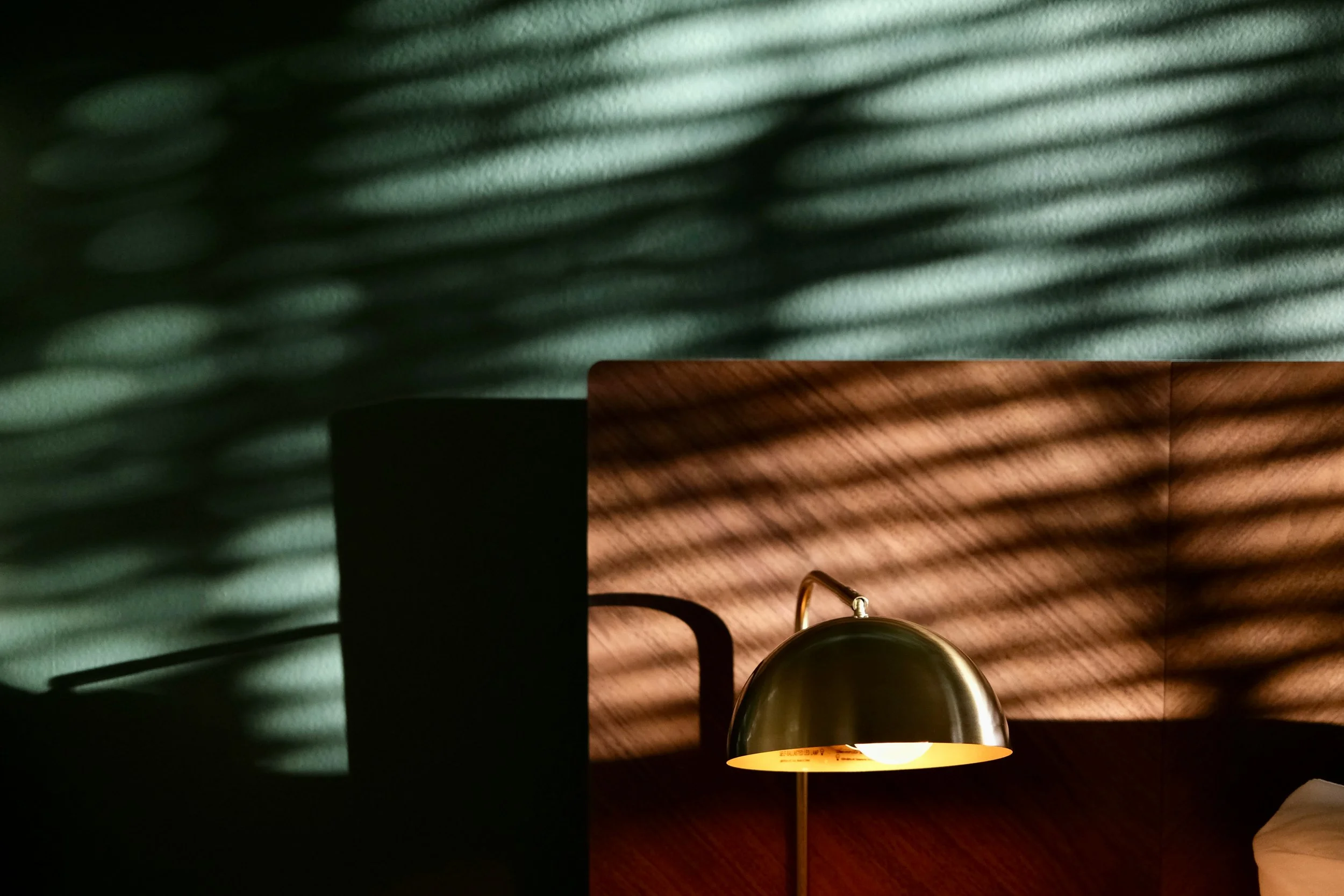
A few weeks ago, I walked into a property for an inventory inspection and immediately lowered my voice.
Nobody asked me to.
There were no signs requesting silence. No grand entrance designed to impress. Yet something about the space altered my behaviour.
Over the years, my work has taken me inside hundreds of homes across London. Some are beautifully designed. Some are highly practical. Many gradually fade from memory.
But every so often, I encounter a space that stays with me long after I've handed over the report.
Not because of a particular piece of furniture.
Not because of its size.
Not even because of its architecture.
Because of the feeling.
These are the homes that seem to command respect the moment you enter them.
Atmosphere Is Experienced Rather Than Seen
One of the most interesting things I've learned through inventory inspections is that atmosphere is difficult to photograph.
You can capture a room, but not necessarily the feeling of being in it.
The spaces that leave a lasting impression are rarely defined by a single object. Instead, they are shaped by a collection of quieter decisions: the quality of light, the relationship between materials, the sense of balance within a room, or the way a space unfolds as you move through it.
Often, what stays with us is not what we see first, but what we feel.
And perhaps that's why some of the most memorable homes I've encountered aren't necessarily the most visually striking. They simply feel considered.
There is a sense that someone has thought carefully about how the space should be experienced.

What Inventory Inspections Have Taught Me About Atmosphere
One of the unexpected gifts of inventory work is the opportunity to experience spaces as they are actually lived in.
Unlike a photoshoot, there is no styling team controlling the narrative. What remains is the reality of the space itself.
Recently, I revisited a residential development where I had previously inspected another apartment. The layout was almost identical, simply mirrored in the opposite direction.
What struck me wasn't the similarity.
It was the consistency.
Every design decision had been carefully considered, creating the same sense of cohesion regardless of which apartment you entered. It reminded me that good design is often less about novelty and more about creating a reliable experience.
I've noticed similar qualities in very different settings.
A former embassy building where ornate detailing and generous ceiling heights still shape the experience of the space decades later
An apartment overlooking a London wharf where the changing light became part of the interior experience.
The same relationship between atmosphere and experience is something I noticed while exploring the interiors of W Punta Cana.
A courtyard garden where the noise of traffic disappeared the moment the gate closed behind you
And recently, a short-let property that felt deeply personal the moment I stepped inside.
The owner had clearly travelled extensively. West African carvings sat alongside objects collected from Asia and North Africa. Nothing felt staged or overly curated. Instead, the home felt like a reflection of a life well lived.
Before I had opened my laptop, I already felt I understood something about the person who lived there.
Not because of what they owned.
But because of what they had chosen to keep.
The common thread in all of these spaces was not decoration.
It was atmosphere.

Why Certain Spaces Stay With Us
The longer I spend observing interiors, the more convinced I become that the spaces we remember are rarely the ones shouting for attention.
What stays with us is often far more subtle.
The softness of linen curtains moving with a breeze.
The way afternoon light travels across a wall.
The quiet confidence of natural materials.
The feeling of calm that comes from a room where nothing feels forced.
Recently, I wrote about the details most people never notice in a home, and I think this observation is connected. The details matter, but only because they contribute to a larger feeling.
Inside Luxury Living: The Details Most People Never Notice
Atmosphere is built through accumulation.
Small decisions layered over time.
A collection gathered through travel.
A favourite chair that has remained for years.
A view framed intentionally.
A room that knows exactly what it needs—and what it doesn't.
When it is done well, we experience the result long before we understand why.

Final Thoughts
After hundreds of inspections, I've realised that the homes I remember most are not necessarily the most beautiful.
They're the ones that leave an impression.
The ones that make you pause.
The ones that quietly influence how you move through them.
Perhaps that's why some homes command respect the moment you enter them.
Not because they demand attention, but because they've been shaped with intention.
And long after we've forgotten the furniture, that's often what remains.
Further Reading
Inside Luxury Living: The Details Most People Never Notice

Notes From the Field
Join my quarterly newsletter for reflections on design, travel, hospitality and the spaces we inhabit.
